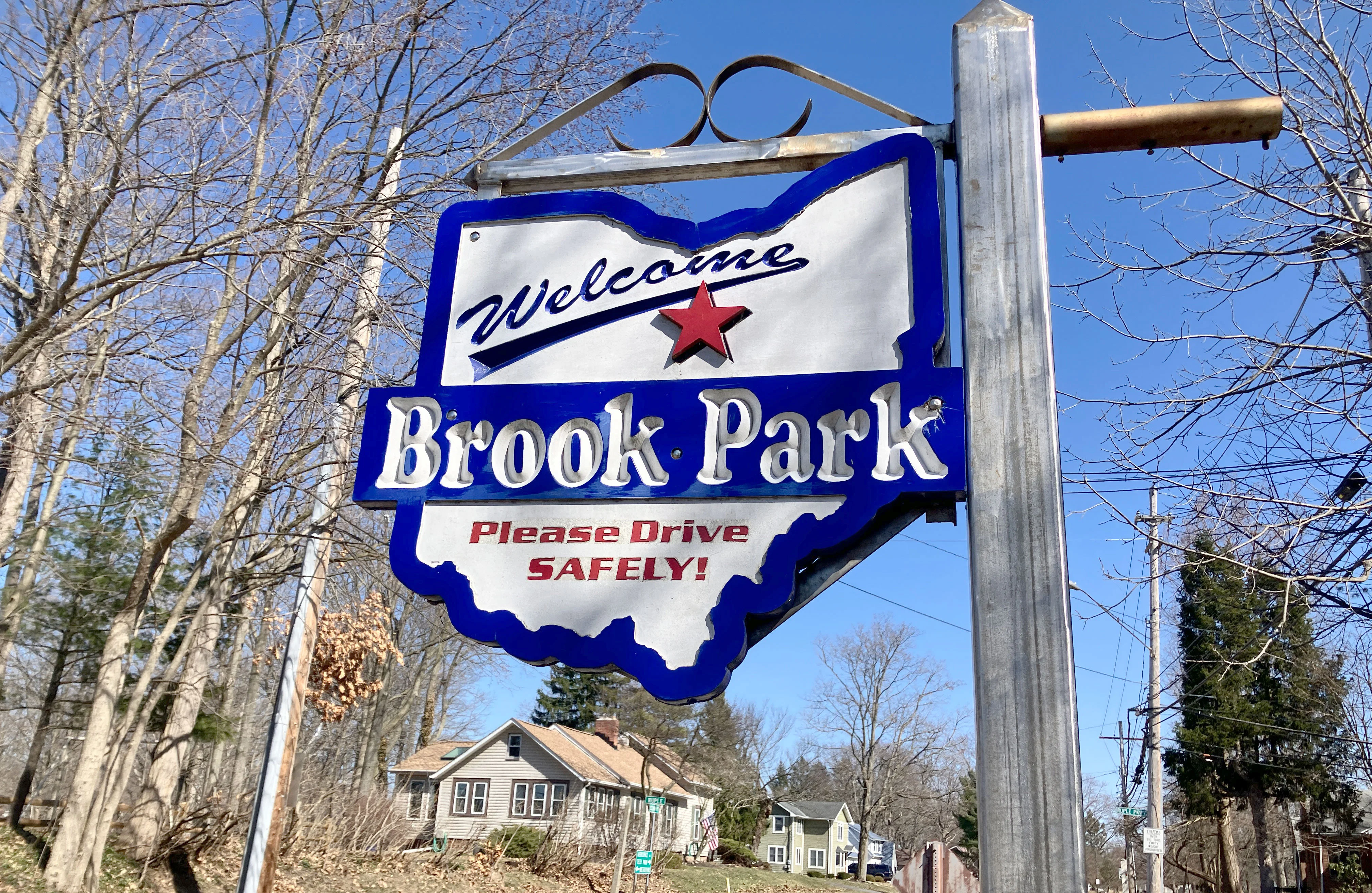
Brook Park is unusual among the suburbs on this list because it is a genuine trade show location in addition to being a place teams stage from before heading somewhere else. The I-X Center sits inside Brook Park, alongside Cleveland Hopkins International Airport, Ford's engine plant, and NASA's Glenn Research Center. That combination of a major exhibition hall, an international airport, and heavy industrial tenants makes Brook Park the metro's real freight and air-cargo hub for shows.
For exhibitors coming from out of town, Brook Park is often the first stop off the plane, with drayage and material handling running directly from the airport's air-cargo facilities to the I-X Center floor with minimal ground transit. For local and regional exhibitors, it's the destination itself for any I-X Center show, which changes the entire planning approach compared to a suburb that only ever feeds into a venue somewhere else.
We treat Brook Park as both an origin and a destination: air freight lands here, ground freight from across the metro converges here, and the show itself happens here, all within a few square miles that also happen to sit under one of the busier flight paths in the region.
Brook Park, OH execution priorities
- Air-cargo to I-X Center drayage direct from Cleveland Hopkins
- On-site show-floor labor and material handling at the I-X Center
- Ground freight consolidation from across the metro into one Brook Park dock
- NASA Glenn and Ford-adjacent industrial coordination for specialized freight
- Fast turnaround storage positioned at the metro's actual freight hub
Brook Park as the metro's real freight and show hub
Unlike most of the suburbs we work with, Brook Park doesn't require a translation between 'where the client is' and 'where the show is.' The I-X Center is the venue, and it sits inside the same few square miles as the airport and a dense concentration of industrial tenants, which means air freight, ground freight, and the show floor are all effectively in one place.
That density is an advantage for timing but a challenge for congestion. Move-in days at the I-X Center can back up local roads around the airport corridor, and we plan around that rather than assuming Brook Park's compact geography automatically means an easy day.
For an out-of-town exhibitor unfamiliar with the market, that overlap can actually be confusing at first, since the airport, the venue, and the surrounding industrial tenants all sit close enough together that it isn't obvious from a map alone which roads stay clear during a major move-in and which ones back up.
Air-cargo drayage from Cleveland Hopkins
For exhibitors flying freight into Cleveland Hopkins ahead of an I-X Center show, we coordinate pickup directly from the airport's air-cargo facilities and run it straight to the venue's marshalling yard, a short trip that still has to be timed against customs clearance, if applicable, and the airline's own cargo release schedule.
This is one of the more time-sensitive workflows we run in the metro, since a late cargo release can compress the entire install schedule, and we build contingency time into the plan specifically for that risk.
On-site labor and material handling at the I-X Center
Because Brook Park is the destination rather than a staging point, our labor planning here focuses on the show floor itself: install and dismantle crews, forklift and rigging coordination, and material handling that follows the venue's own union jurisdiction and dock rules. We manage that directly with I-X Center operations rather than treating it as a remote coordination problem.
For multi-day shows, we also plan overnight security and floor access separately from the labor call sheet, since the I-X Center's own policies on after-hours floor access differ from what a downtown hotel ballroom allows.
Consolidating ground freight from across the metro
Because Brook Park sits at the west end of the metro's highway network, it's a practical consolidation point for freight originating from multiple suburbs, letting us combine loads from Parma, Middleburg Heights, and points further out into fewer trucks before final delivery to the I-X Center dock.
That consolidation cuts down on the number of separate trucks queuing for the same marshalling yard during peak move-in hours, which matters at the I-X Center given how much freight can arrive within the same short window for a large show.
Working alongside NASA Glenn and Ford's engine plant
The presence of NASA's Glenn Research Center and Ford's engine plant in Brook Park means the area sees a steady flow of specialized industrial freight unrelated to trade shows, and local road and rail traffic reflects that. We account for those patterns when scheduling I-X Center deliveries so a show truck isn't caught behind an unrelated industrial shipment during a tight dock window.
Shift-change traffic at both facilities also affects local road conditions at predictable times of day, and we factor that into crew call sheets the same way we factor in flight schedules, since a poorly timed departure can get stuck behind either kind of traffic surge.
Storage positioned at the actual hub
Because Brook Park is where most west-side shows actually happen, it's the most efficient place to hold booth assets for exhibitors who return to the I-X Center regularly, cutting transit time to nearly zero for the next event compared to storing assets downtown or further out in the suburbs.
For exhibitors who split time between I-X Center shows and occasional downtown appointments, we still keep storage in Brook Park and simply plan a longer drayage window for the downtown dates, since the storage savings on the more frequent I-X Center shows outweigh the added distance on the occasional downtown one.
Coordinating around airport traffic and flight schedules
Ground access around Cleveland Hopkins can slow considerably during peak flight hours, and we build crew and freight schedules with that in mind, particularly for early-morning move-ins that coincide with the airport's first wave of departures and the passenger drop-off congestion that builds around the terminal loop.
Comparing Brook Park to a Downtown Cleveland show
A show at the I-X Center runs differently than one downtown: parking, dock access, and union jurisdiction all follow the venue's own rules rather than a downtown convention center's, and exhibitors who are used to Huntington Convention Center's layout need a separate briefing on how I-X Center move-in actually works.
The building's own layout is also different, with a footprint and hall configuration unlike any downtown venue, so booth placement, sightlines, and even where an exhibitor's own storage crates can sit during the show all follow a distinct set of I-X Center-specific rules we walk clients through ahead of time.
What a typical Brook Park program includes
A standard engagement covers air or ground freight coordination into the I-X Center marshalling yard, on-site install and dismantle labor, material handling through the show, and either post-show shipping out or local storage for exhibitors planning to return for the next event.
Trade show work in Brook Park, OH
Brook Park, OH falls inside the Cleveland service footprint for trade show projects.
Brook Park, OH sits in the Airport / west belt area.
Production for Brook Park, OH shows starts with the same brief we run for the rest of Cleveland: venue specifics, show dates, footprint, outcome. Freight paths and local vendor availability are the variables that shift from the city core.
What drives the Cleveland calendar
Cleveland runs one of the busiest trade show calendars in the region. Convention weeks stack close together, hotel blocks compete for the same nights, and the venues themselves shape what is possible on the floor.
The attendees vary by show — some weeks draw regional operators, others pull international buyers in for a single conference — but the floor mechanics stay consistent. Every booth needs graphics production, show services, labor calls, and a plan for the specific building it's landing in.
Destination Cleveland’s winter 2025 update says the Cleveland Museum of Natural History reopened more than 375,000 square feet of transformed space in late 2024 and that the Rock & Roll Hall of Fame expansion is creating a new 2,800-person indoor event venue — a useful reference point when sizing a project.
Venue marketing from Rocket Arena and Huntington Bank Field shows the downtown market is not limited to ballroom work; it also supports arena, stadium, and premium-space event programs that matter for sponsor activations and hospitality builds.
The buildings that host Cleveland events
Different Cleveland venues mean different floor plans, different labor rules, and different freight realities.
The right building depends on the show: a consumer expo wants open aisles and broad traffic flow; a corporate conference wants controlled breakout space; a brand activation wants a venue that can carry scenic and production without fighting the architecture.
Huntington Convention Center of Cleveland: venue materials say the center provides over 520,000 square feet of meeting and event space.
Venue materials say the building includes 225,000 square feet of exhibit hall space, two ballrooms, and 50-plus breakout rooms.
Cleveland Public Auditorium is one of the anchors. Cleveland Public Auditorium is directly connected to the Huntington Convention Center.
Hilton Cleveland Downtown. The property is a 600-room Hilton connected to the downtown campus.
How Cleveland floor operations work
Labor in Cleveland runs venue-by-venue, not citywide. Each building publishes its own rules for who handles what on the floor.
On most Cleveland shows, the labor plan takes one call with the venue's exhibitor services desk, one review of the current manual, and one email to the general contractor. Skipping any of those three is usually where problems start.
Huntington Convention Center of Cleveland — The convention center is a union facility and that certain union jurisdictions may apply based on the needs of the event.
Practical planning rules for Brook Park, OH Cleveland, OH in Cleveland: Final labor assumptions should always be confirmed against the current show manual, venue team, and general service contractor. Cleveland labor requirements vary by venue, organizer, and current exhibitor manual.
What's included in the project scope
A full engagement covers scope development, fabrication or rental, graphics, show services, logistics, and on-site execution from move-in through dismantle.
Typical line items include booth structure (custom or rental), graphics and print, AV and lighting, show-service orders (power, internet, rigging), labor calls against the venue's rules, freight both ways, on-site supervision, and post-show closeout documentation.
A well-run project has few surprises on install day because the handoffs upstream were tight. A bad one has many, because they weren't.
For programs that repeat, asset management becomes part of the engagement — storage, graphic rotation, refurbishment, and re-crating are planned rather than one-off.
A clean scope definition also calls out what isn't included: show organizer fees, client staff travel, and anything the client already has under contract (lead capture platforms, CRM integrations, promotional giveaways). Those run alongside the engagement rather than inside it.
How a project runs
Every project starts with a scope conversation: the show, the venue, the booth number, the dates, and the budget frame. Ten minutes of specifics produces a better plan than a week of generalities.
After the brief, the work turns to the building itself. Dock windows, utility orders, rigging approvals, and labor calls are all confirmed in writing before anything goes to fabrication.
With venue details locked, production runs. Build, print, AV integration, rentals, and the show floor lead's playbook all come together in this phase.
One named show-site lead runs the install. Not a rotating crew and not a remote account manager — one person holds the floor plan, the punch list, and the labor calls from crates to doors.
Throughout show hours, the show floor lead stays present. Tech breaks, sponsor changes, venue requests — all handled without pulling the client team off the floor.
After the show, strike runs against the venue's posted window, and a same-day debrief captures what held and what needs to change before the next date.
Pricing and scheduling
Every project has the same cost drivers. The number depends on scope, and scope depends on a handful of specific variables.
The levers that matter: build path (custom, rental, or hybrid), footprint, venue service fees, graphics, freight, and supervision days. A 10x10 turnkey rental and a 30x50 custom island with a double deck are entirely different projects.
On timing: custom builds for Cleveland shows run best with 16 to 20 weeks of lead time. Rental programs run on 8 to 12. Anything inside 4 weeks is a rush, which means fewer options and a premium on materials.
Outcomes we optimize for
The measure of a good engagement is simple: on-time install, no venue callouts, clean show hours, and a closeout that makes the next event easier to book.
Exhibitors who measure programs seriously track leads, floor-booked meetings, and post-show pipeline. The build and the install are upstream inputs to those KPIs.
The post-show debrief is where the numbers get connected back to the physical booth. Which demo station drew traffic, which meeting area closed more conversations, which graphic zone attracted dwell time — that feedback shapes the next build rather than getting lost.
What makes our work different
Trade Show Services of Cleveland keeps the work organized around one accountable project path. Booth design, fabrication coordination, graphics, venue communication, logistics, labor planning, show-site support, and closeout stay tied to the same brief.
The value is coordination under pressure. If a graphics issue, freight delay, or venue question appears during install, the response has to be fast, documented, and connected to the actual show plan.
Over a multi-show calendar, the compound value is fewer surprises. The second install should inherit notes from the first, the third should inherit both, and the program should become easier to forecast as the year moves forward.
Questions about Brook Park, OH
Is the I-X Center actually located in Brook Park?
Yes, the I-X Center sits inside Brook Park, next to Cleveland Hopkins International Airport. It's one of the few suburbs on this list that hosts a real show venue directly rather than only feeding freight and crews into one elsewhere.
Can you coordinate freight flown into Cleveland Hopkins for an I-X Center show?
Yes, we handle drayage directly from the airport's air-cargo facilities to the I-X Center marshalling yard, timed against customs clearance where it applies and the airline's cargo release schedule, which is the most time-sensitive part of that workflow.
Does Brook Park's location cause traffic problems during move-in?
It can. The area around the airport and I-X Center sees heavier congestion during move-in days and during peak flight hours, and we plan crew and freight schedules around those specific windows rather than assuming the compact geography means an easy day.
Do you handle on-site labor at the I-X Center itself?
Yes, install, dismantle, and material handling on the show floor follow the venue's own union jurisdiction and dock rules, which we manage directly with I-X Center operations rather than treating as a remote coordination task.
Is Brook Park a good place to store a booth between I-X Center shows?
Yes, since it's where most west-side shows actually happen, storing assets here cuts transit time to nearly zero for the next event, compared to holding them downtown or further out in the suburbs.
How is an I-X Center show different from a Downtown Cleveland show?
Parking, dock access, and union jurisdiction all follow the I-X Center's own rules rather than a downtown convention center's, so exhibitors used to Huntington Convention Center's layout typically need a separate briefing before their first I-X Center move-in.
Do you work at Huntington Convention Center of Cleveland?
Yes. Venue materials say the center provides over 520,000 square feet of meeting and event space. Projects at that building are planned against its specific floor rules.
How does labor work in Cleveland?
It runs venue by venue. Huntington Convention Center of Cleveland: Edlen Electric handles electrical and plumbing services on an exclusive basis, and the exhibitor services portal covers electrical, plumbing, air, water, internet, booth cleaning, catering, and rigging. Other Cleveland venues have their own published rules, and the plan matches the specific building.
How much lead time is ideal?
Custom builds run best with 16 to 20 weeks of lead time. Rentals take 8 to 12 weeks. Work inside 4 weeks is possible but raises costs and narrows the options.
What information kicks off a project?
The show, the venue, the booth number, the dates, and a target budget range. From those, an initial scope and a realistic cost come back within a few days.
Who runs the booth on-site?
One named show-site lead runs the install, the show hours, and the strike. That person carries the floor plan and the punch list from crates to doors and reports up once a day.
Can the booth travel to the next city on our calendar?
Yes — builds are designed for modular reuse unless single-use scenic is specifically required. Same structure, swappable graphics, standard crates. Cleveland programs that roll to another city on the same calendar get handled end to end.
What happens if something breaks during show hours?
The show floor lead handles it. Minor repairs happen in place; anything larger gets sourced from the local fabricators or rerouted through the venue's service desk.