About us

Project-led trade show delivery for Cleveland venues

Trade Show Services of Cleveland coordinates booth strategy, fabrication, labor, AV, logistics, and show-site supervision for exhibitors, sponsors, associations, and venue teams working across Cleveland and the wider Northeast Ohio market.

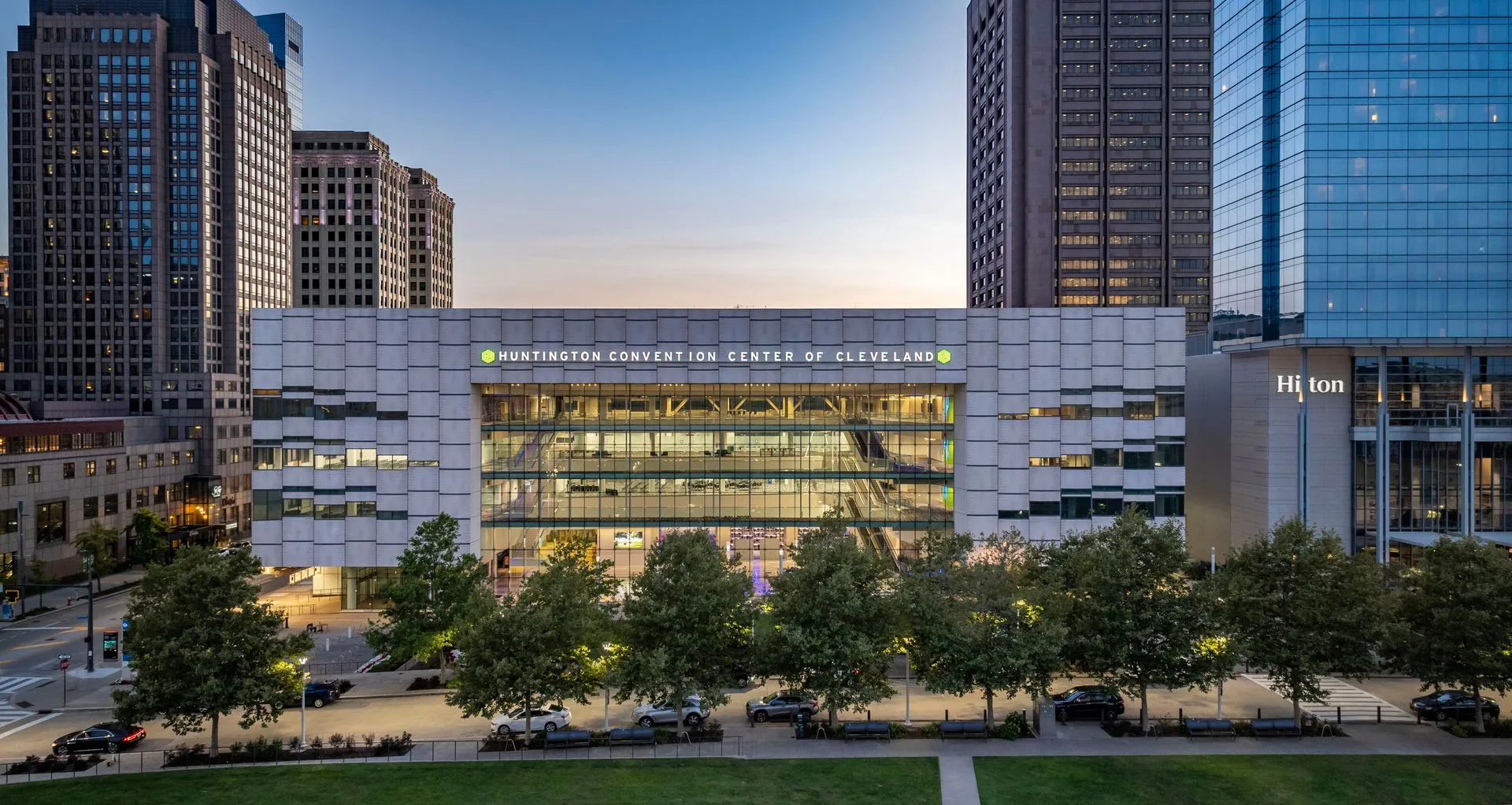
Huntington Convention Center floor prepared for a Cleveland event

The work stays grounded in the districts and properties that actually shape event production in Cleveland. Downtown convention programs, North Coast Harbor activations, University Circle meetings, airport-corridor schedules, suburban corporate events, and Akron spillover dates all create different demands on freight timing, labor calls, staffing, and field control.

That is why the company runs as one coordinated system instead of separating design, graphics, fabrication, technical production, logistics, and show-week execution into disconnected scopes. Buyers need one calendar for graphics approvals, one owner for venue communication, one freight and material-handling plan, and one field lead who can keep the project steady when the schedule tightens.

The practical goal is a booth or event environment that supports meetings, demos, hospitality, lead capture, and brand visibility without creating unnecessary friction for the venue or the client. That standard matters just as much during closeout and outbound shipping as it does during design review.

Cleveland programs often touch more than one setting in the same week. A team may have convention-center exhibit space, a nearby hotel meeting, and a sponsor function connected to the same audience. Strong event support keeps those moving parts aligned so the experience still feels intentional from the first move-in window through final strike.

Primary market

Cleveland event market

Downtown Cleveland is the primary operating lane, anchored by the Huntington Convention Center campus, Hilton Cleveland Downtown, Hotel Cleveland, the Westin, Marriott Key Tower, Hyatt at The Arcade, Rocket Arena, Playhouse Square-adjacent hotels, and multiple reception venues within a compact radius. The downtown core works because the hotels, convention campus, and supporting venues sit close enough together to make planning more manageable without making the event feel small.

Core venues

Research-backed venues

Best fit for citywide conventions, trade-show support, ballroom-heavy conferences, and tightly scheduled programs that need walkable hotel, venue, and nightlife reach. That stack matters because it gives planners real options for keynotes, overflow meetings, hospitality, and activation spaces without leaving the core of the market.

Active locations

Regional coverage

Cleveland-first reach centered on the downtown convention core, the lakefront activation corridor, University Circle, the airport / I-71 business belt, the east-side corporate suburbs, and the Akron spillover lane so one project team can support citywide conventions plus secondary regional programs without splitting operations. The service radius is intentionally broad enough to cover downtown, the lakefront, the east side, the west side, and the Akron spillover lane without splitting operations into separate businesses.

Labor positioning

Venue-specific

Cleveland labor expectations vary by venue, organizer, and current exhibitor manual. At the Huntington Convention Center, the FAQ states that the building is a union facility and that certain union jurisdictions may apply, so labor language should stay venue-specific instead of making blanket citywide claims. Labor expectations stay tied to the active venue manual, organizer instructions, and current show conditions.

Market shape

Built for exhibitors, sponsors, conference teams, and venues

Booth design, fabrication, general contracting, exhibitor-appointed-contractor coordination, installation and dismantle, AV production, graphics, logistics, and conference environment buildouts all sit inside the same shared show plan.

That breadth reflects how real regional programs are bought. Some jobs need a compact rental answer. Others need a custom environment with heavier technical support, broader labor planning, or tighter venue coordination across multiple days.

The best results come from matching the booth format to the room, the audience, and the pace of the event. The workflow still has to stay practical: deadlines matter, dock windows matter, material handling matters, and the booth still has to support the business goal after doors open.

Cleveland rewards teams that understand both convention-center logistics and hospitality-heavy event work. A ballroom program may depend on guest flow and presentation timing, while an expo booth may live or die on dock access, labor sequencing, and the speed of final setup.

Programs that move through multiple properties also need consistency. The brand should stay recognizable, but the booth has to adapt to the room in front of it, the traffic pattern, and the show pressure each venue creates.

When those decisions are made early, buyers get better cost control, stronger stakeholder alignment, and a more repeatable model for the next event on the calendar.

Brief your project